Black Chickpeas vs White Chickpeas - Nutritional Value and Clinical Insights for Better Health
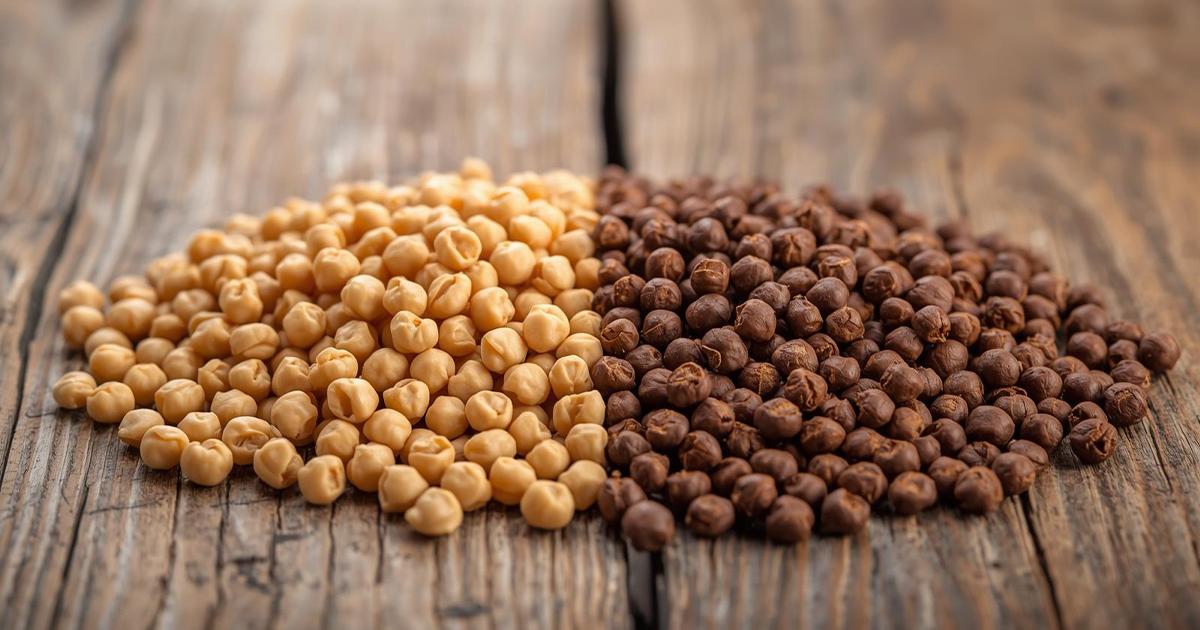
Black chickpeas (kala chana) and white chickpeas (kabuli chana) are two widely consumed varieties of chickpeas belonging to the same legume family. While both offer excellent plant-based nutrition, they differ in fiber density, antioxidant content, texture, glycemic response, and mineral concentration. Black chickpeas retain a darker outer coat rich in phytonutrients, whereas white chickpeas are lighter, softer, and more commonly used in global cuisines. Understanding these differences helps individuals make better dietary decisions, especially for weight management, diabetes prevention, heart health, and anemia risk. This evidence-based comparison explores 10 major health aspects to help you choose the right variety based on your nutritional needs and preventive health goals.
Nutritional Differences
Both black and white chickpeas provide approximately 360-370 kcal per 100 grams and contain 18-20 grams of plant protein. However, black chickpeas generally contain higher fiber and slightly more iron due to their intact seed coat. The darker pigmentation indicates the presence of antioxidants such as anthocyanins and polyphenols, which support cellular protection. White chickpeas, though marginally lower in fiber, are rich in carbohydrates, protein, folate, phosphorus, and manganese. Nutritionally, both varieties are complex carbohydrates with low fat content and no cholesterol. However, black chickpeas tend to be denser in micronutrients, making them slightly superior for metabolic health and digestive support. White chickpeas remain nutritionally valuable and are widely preferred for their smoother texture and faster cooking properties.
Protein and Muscle Health
Both black and white chickpeas are excellent sources of plant-based protein, offering nearly 18-20 grams per 100 grams. This makes them valuable for vegetarians, athletes, and individuals aiming to maintain lean muscle mass. Chickpea protein supports tissue repair, enzyme function, immune response, and metabolic activity. Black chickpeas provide slightly better amino acid density due to minimal processing, while white chickpeas remain equally beneficial when combined with grains such as rice or wheat for complete protein synthesis. Including chickpeas in daily meals can help meet protein requirements naturally without saturated fat. For strength training individuals, chickpeas can support recovery and sustained energy release due to their combination of protein and complex carbohydrates.
Fiber and Digestive Benefits
Black chickpeas contain higher dietary fiber because their outer husk remains intact. Fiber plays a vital role in promoting bowel regularity, reducing constipation, improving gut microbiome diversity, and lowering LDL cholesterol levels. High fiber foods also help stabilize blood glucose by slowing carbohydrate absorption. White chickpeas contain moderate fiber but are easier to digest for individuals with sensitive digestion. Regular intake of fiber-rich legumes has been associated with improved colon health and reduced risk of metabolic disorders. For individuals focusing on digestive health and satiety control, black chickpeas may provide greater benefit due to their higher insoluble fiber content.
Iron and Anemia Prevention
Iron is essential for hemoglobin formation and oxygen transport throughout the body. Black chickpeas typically contain slightly higher iron levels compared to white chickpeas. This makes them particularly beneficial for women of reproductive age, vegetarians, and individuals at risk of iron deficiency anemia. Consuming chickpeas alongside vitamin C-rich foods enhances iron absorption. While both varieties contribute to daily iron intake, black chickpeas may offer marginally better support in preventing fatigue, weakness, and low hemoglobin levels. However, individuals with diagnosed anemia should rely on medical evaluation and laboratory testing for appropriate supplementation guidance.
Calcium and Bone Health
Chickpeas contribute moderate amounts of calcium, magnesium, and phosphorus—minerals essential for bone density and skeletal strength. Black chickpeas may provide slightly higher mineral retention due to minimal polishing. Magnesium plays a key role in muscle relaxation and bone structure, while phosphorus supports bone matrix formation. Including chickpeas regularly may contribute to long-term bone health, especially when combined with other calcium-rich foods. For aging adults and postmenopausal women, legume consumption supports bone metabolism as part of a balanced diet.
Impact on Blood Glucose Levels
Both black and white chickpeas have a low to moderate glycemic index, meaning they release glucose slowly into the bloodstream. Black chickpeas, due to higher fiber content, may have a slightly lower glycemic impact. This makes them suitable for individuals managing insulin resistance or type 2 diabetes. Fiber and protein together reduce post-meal glucose spikes. Portion control remains important. Individuals monitoring metabolic health should consider periodic screening through fasting blood glucose and HbA1c testing to assess long-term control.
Weight Management and Metabolism
High protein and fiber in chickpeas promote satiety, reducing hunger cravings and calorie overconsumption. Black chickpeas, being denser in fiber, may enhance fullness for longer durations. White chickpeas are softer and commonly used in hummus and salads, making them easier to incorporate into calorie-controlled diets. Chickpeas also support metabolic efficiency due to their slow-digesting carbohydrates. Including legumes in meals may assist with sustainable weight management when combined with regular physical activity.
Pregnancy and Women’s Health Benefits
Chickpeas provide folate, iron, protein, and fiber—nutrients essential during pregnancy. Folate supports fetal neural development, while iron helps prevent maternal anemia. Black chickpeas may provide higher mineral density, but both varieties are beneficial when consumed in balanced portions. Proper soaking and cooking improve digestibility and nutrient absorption. Pregnant women should consult healthcare providers before major dietary changes.
Culinary Uses and Taste Differences
Black chickpeas have a firmer texture and earthy flavor, commonly used in traditional Indian curries and sundal preparations. White chickpeas are larger, softer, and widely used in hummus, chole, salads, and Mediterranean dishes. Cooking time for black chickpeas is slightly longer. Taste preference and recipe requirements usually determine selection, though both are nutritionally valuable.
Conclusion
Both black chickpeas and white chickpeas offer exceptional nutritional benefits. Black chickpeas may provide slightly higher fiber, iron, and antioxidant content, making them advantageous for digestive health and metabolic balance. White chickpeas remain highly nutritious and versatile for global cuisines. The best choice depends on individual health goals, digestive tolerance, and culinary preference. Including either variety regularly supports heart health, muscle maintenance, and long-term metabolic wellness.
FAQs
Which is healthier - black chickpeas or white chickpeas?
Black chickpeas are slightly higher in fiber and antioxidants, but both are highly nutritious.
Are black chickpeas good for weight loss?
Yes. Their high fiber and protein promote fullness and reduce overeating.
Can diabetics eat chickpeas?
Yes. Chickpeas have a low to moderate glycemic index and support blood sugar control when eaten in moderation.
Web References
- Indian Food Composition Tables (ICMR-NIN) - https://www.nin.res.in/ifct.html
- USDA FoodData Central - https://fdc.nal.usda.gov/
- FAO - Pulses and Human Health - https://www.fao.org/pulses-2016/en/
- Healthline - Chickpeas Nutrition Facts - https://www.healthline.com/nutrition/chickpeas-benefits
- American Diabetes Association - https://diabetes.org/