Black Field Beans vs White Field Beans - Nutritional Value and Clinical Insights for Better Health
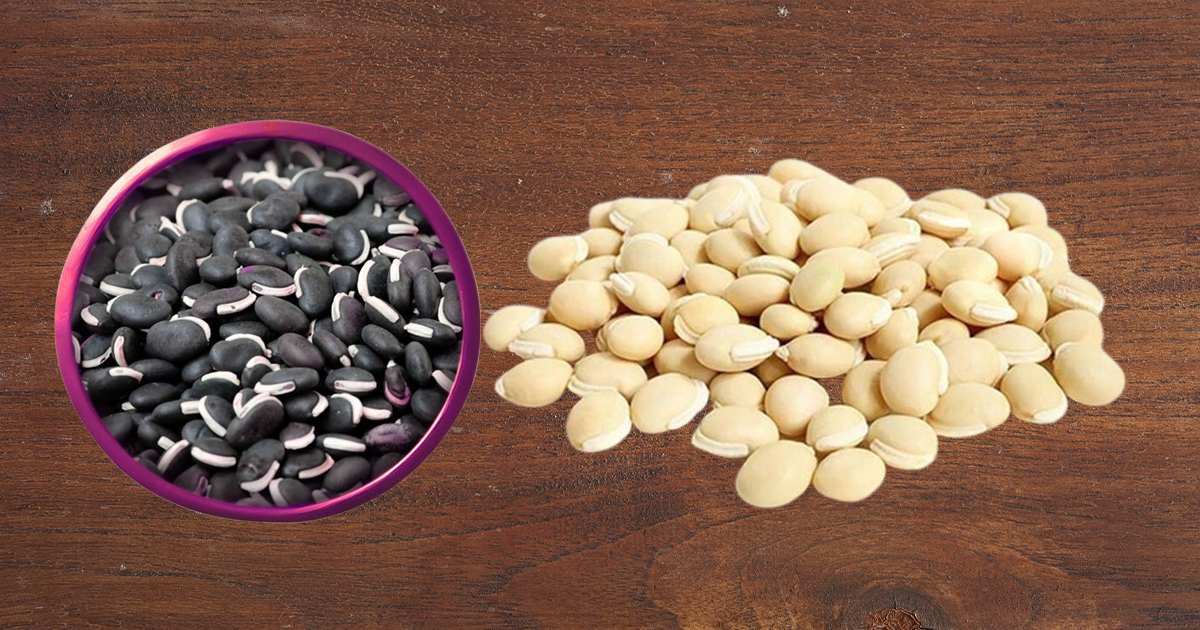
Black field beans and white field beans are traditional legumes widely consumed in South Asian and Mediterranean diets. Though they belong to the same species (Lablab purpureus), their nutritional density, fiber levels, antioxidant concentration, and glycemic impact differ due to natural pigmentation and processing. Black field beans retain their darker outer coat rich in phytonutrients, while white field beans have a milder profile and softer texture. This evidence-based guide compares their nutritional value, protein quality, digestive effects, mineral density, and clinical relevance for diabetes, heart health, weight management, and women’s health. Understanding these differences helps individuals make informed dietary choices aligned with preventive healthcare goals.
Nutritional Differences
Both black and white field beans are excellent plant-based protein sources containing complex carbohydrates and essential micronutrients. However, black field beans generally contain slightly higher fiber, iron, potassium, and antioxidant compounds due to their intact pigmented outer layer. White field beans are nutritionally comparable in calories and protein but may contain marginally lower fiber depending on processing. On average, 100g of dried field beans provides around 330-350 kcal, 21-24g protein, and 55-60g carbohydrates.
Black field beans tend to offer higher polyphenol content, which contributes to antioxidant protection and anti-inflammatory benefits. White field beans are softer when cooked and may be easier for sensitive digestion. From a clinical nutrition standpoint, both are highly valuable, but black field beans provide slightly greater micronutrient retention.
Protein and Muscle Health
Protein content in black and white field beans is nearly equivalent, making both excellent vegetarian protein sources. Protein is essential for muscle repair, enzyme production, immune defense, and hormone regulation. For vegetarians, athletes, and elderly individuals aiming to preserve muscle mass, field beans can contribute meaningfully toward daily protein requirements.
Black field beans may offer slightly better amino acid retention due to minimal polishing. However, both varieties benefit from being paired with cereals such as rice to form complete protein combinations. Regular inclusion supports lean muscle maintenance and metabolic stability.
Fiber and Digestive Benefits
Dietary fiber plays a critical role in gut health, cholesterol regulation, and glycemic control. Black field beans typically contain more insoluble fiber because of their intact skin. This supports bowel regularity and nourishes beneficial gut bacteria.
White field beans still provide substantial fiber but may be gentler on digestion for individuals with bloating sensitivity. Soaking and proper cooking significantly reduce anti-nutritional factors in both types. From a preventive health perspective, higher fiber intake supports colon health and cardiovascular protection.
Iron and Anemia Prevention
Iron is essential for hemoglobin formation and oxygen transport in the blood. Black field beans contain slightly higher iron levels compared to white varieties. This makes them particularly beneficial for women of reproductive age, adolescents, and individuals at risk of iron-deficiency anemia.
Consuming field beans with vitamin C-rich foods enhances iron absorption. Regular intake supports red blood cell production and energy metabolism.
Calcium and Bone Health
Field beans provide moderate amounts of calcium and magnesium, both essential for bone density and nerve function. Black field beans may retain slightly higher mineral concentration due to minimal processing. Magnesium also plays a role in muscle contraction and cardiovascular stability.
Including field beans in a balanced diet supports skeletal strength, especially in aging adults and postmenopausal women.
Impact on Blood Glucose Levels
Legumes generally have a low to moderate glycemic index due to high fiber and resistant starch content. Black field beans may offer better glycemic stability because fiber slows glucose absorption. This makes them a suitable option for individuals managing insulin resistance or type 2 diabetes.
White field beans remain beneficial but may digest slightly faster depending on preparation method. Portion control remains important for glucose management.
Weight Management and Metabolism
High protein and fiber in both black and white field beans promote satiety and reduce overeating. Fiber slows gastric emptying, while protein helps preserve lean muscle mass during calorie restriction. Black field beans may provide prolonged fullness due to higher fiber density.
Incorporating legumes into meals instead of refined carbohydrates supports healthy weight regulation and metabolic health.
Pregnancy and Women’s Health Benefits
Field beans provide plant-based iron, folate, protein, and magnesium—nutrients essential during pregnancy. Black field beans may provide slightly enhanced micronutrient density. Adequate intake supports fetal development and maternal energy levels.
Proper cooking is important to ensure digestibility. Moderation is advised to prevent gastrointestinal discomfort.
Culinary Uses and Taste Differences
White field beans have a milder taste and softer texture, making them suitable for curries, stews, and mashed preparations. Black field beans have a stronger, earthier flavor and firmer bite, often used in traditional gravies and protein-rich side dishes.
Both absorb spices well and can be adapted to diverse cuisines. Taste preference often determines choice rather than nutritional differences.
Conclusion
Both black field beans and white field beans are nutrient-dense legumes offering protein, fiber, iron, and essential minerals. Black field beans may have a slight nutritional advantage due to higher fiber and antioxidant content, while white field beans provide easier digestion and culinary versatility. The best choice depends on individual health goals, digestive tolerance, and taste preference. Including either variety regularly supports heart health, metabolic balance, and preventive nutrition.
FAQs
Which is healthier - black or white field beans?
Black field beans may have slightly higher fiber and antioxidant levels, but both are highly nutritious.
Are field beans good for diabetes?
Yes. Their fiber and resistant starch help regulate blood sugar levels when consumed in moderate portions.
Do field beans help in weight loss?
Yes. Their high protein and fiber content promotes satiety and reduces overall calorie intake.
Can pregnant women eat field beans?
Yes, when properly cooked. They provide iron and folate beneficial for maternal health.
Web References
- Indian Food Composition Tables (IFCT), National Institute of Nutrition (ICMR-NIN), Hyderabad - https://www.nin.res.in/ifct.html
- USDA FoodData Central - Legumes Nutrient Data - https://fdc.nal.usda.gov/
- FAO - Pulses and Human Health - https://www.fao.org/pulses-2016/en/
- National Institute of Nutrition - Dietary Guidelines for Indians - https://www.nin.res.in/
- American Diabetes Association - Glycemic Index and Blood Sugar - https://diabetes.org/