Wheat Flour vs Maida (Refined Wheat Flour) - A Clinical Perspective on Metabolic and Digestive Health
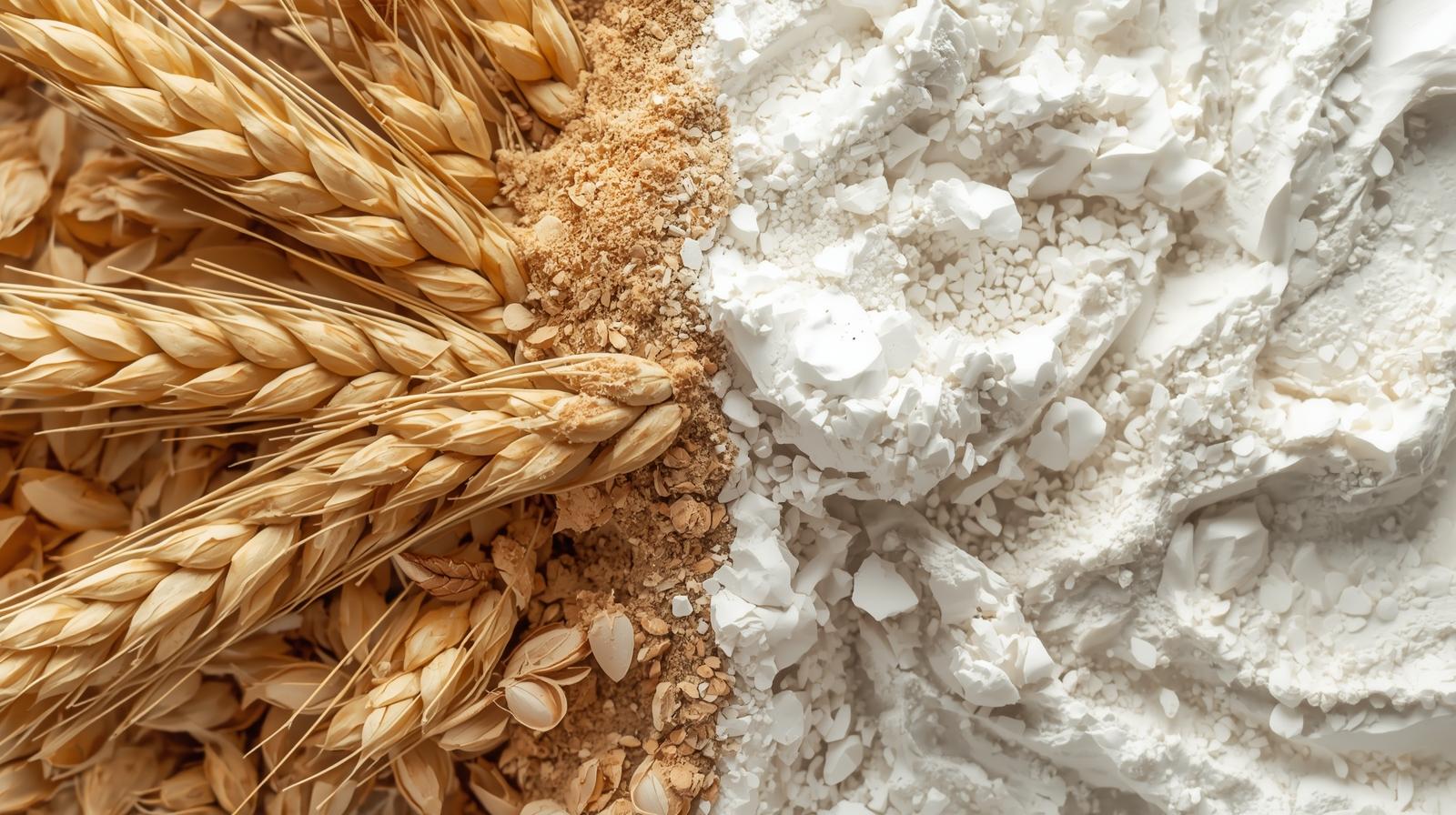
In clinical practice, refined carbohydrate consumption is one of the most common dietary patterns linked to rising cases of prediabetes, obesity, fatty liver disease, and cardiovascular risk. Among staple foods, wheat flour and maida (refined wheat flour) are frequently consumed - yet their health impact differs significantly. Below is a medical and preventive health perspective tailored for patients and health-conscious readers.
Structural Difference: Whole Grain Integrity vs Refined Carbohydrate
From a nutritional science perspective, the key difference lies in grain structure. Wheat flour retains all three components of the grain: bran (fiber), germ (healthy fats and micronutrients), and endosperm (carbohydrate). This structural integrity contributes to a slower digestive process.
Clinically, this distinction matters because intact whole grains support metabolic stability, whereas refined carbohydrates may promote glycemic variability. The issue is not wheat itself - it is the degree of processing that determines metabolic response.
Glycemic Load and Blood Sugar Variability
In metabolic medicine, we evaluate foods based on their glycemic impact rather than taste or texture. Wheat flour typically produces a more gradual increase in blood glucose compared to maida due to its fiber content.
Maida-based foods (such as white bread, pastries, and processed snacks) are rapidly digested, often leading to quick blood sugar spikes followed by energy crashes. Over time, repeated glucose spikes can increase insulin demand and contribute to insulin resistance.
Patients with risk factors such as family history of diabetes, abdominal obesity, or sedentary lifestyle should be particularly cautious about high refined flour intake.
Satiety, Weight Gain, and Hormonal Regulation
One overlooked difference between wheat flour and maida is satiety. Fiber-rich foods increase fullness, slow gastric emptying, and help regulate appetite hormones such as ghrelin.
Maida lacks this satiety advantage. As a result, individuals may consume larger portions or experience hunger sooner after meals. This pattern can contribute to increased caloric intake and gradual weight gain.
From a preventive care standpoint, weight management is not only about calories but also about food quality. Diets high in refined carbohydrates have been associated with higher body mass index (BMI) and central obesity.
In patients undergoing preventive health screening, we often correlate dietary patterns with:
- Lipid Profile Test
- Liver function tests
- Body composition analysis
Cardiovascular Risk and Lipid Profile Implications
Emerging research indicates that excessive intake of refined carbohydrates may elevate triglyceride levels and reduce HDL ("good cholesterol"). While maida itself is not inherently harmful in small quantities, habitual overconsumption may negatively influence lipid metabolism.
Whole wheat consumption, on the other hand, has been associated with improved lipid parameters and reduced cardiovascular risk markers.
p>In patients undergoing preventive health screening, we often correlate dietary patterns with:- Lipid Profile Test
- High-sensitivity C-reactive protein (hs-CRP)
- Blood pressure monitoring
Digestive Health and Gut Microbiome
Dietary fiber plays a significant role in maintaining gut microbiota balance. Wheat flour provides fermentable fiber that supports beneficial bacteria in the colon.
Maida offers minimal fiber and does not contribute significantly to gut microbial diversity. Diets low in fiber have been associated with constipation, bloating, and altered gut flora composition.
From a clinical perspective, gut health is increasingly linked to immunity, inflammation regulation, and even metabolic disease progression.
Increasing whole grain intake may support long-term gastrointestinal wellness.
Fatty Liver and Metabolic Syndrome Risk
High intake of refined carbohydrates, including maida-based products, may contribute to excess caloric load and increased liver fat accumulation. Non-alcoholic fatty liver disease (NAFLD) is commonly associated with diets rich in refined carbohydrates and added sugars.
Whole wheat-based meals, due to slower digestion and better glycemic control, may help reduce metabolic stress on the liver.
Conclusion
From a medical standpoint, the goal is not complete elimination of maida but moderation and informed substitution. Occasional refined flour intake is unlikely to cause harm in metabolically healthy individuals.
However, daily consumption of highly processed refined carbohydrate foods increases cumulative metabolic burden. A balanced dietary pattern emphasizing whole grains, fiber, lean protein, and healthy fats remains foundational for long-term health.
FAQs
Is maida harmful to health?
Maida is not inherently harmful when consumed occasionally, but frequent intake may contribute to blood sugar spikes, weight gain, and metabolic imbalance.
Does wheat flour help in weight control?
Wheat flour may support satiety due to its fiber content, potentially assisting in portion control when included in a balanced diet.
How can I know if refined carbohydrates are affecting my health?
You can assess this through diagnostic tests such as HbA1c, fasting glucose, lipid profile, and liver function tests.
References
- https://www.healthline.com/nutrition/whole-wheat-vs-white-bread
- https://www.hsph.harvard.edu/nutritionsource/carbohydrates/whole-grains/
- https://www.medicalnewstoday.com/articles/white-flour-vs-whole-wheat-flour
- https://www.webmd.com/diet/health-benefits-whole-grains
- https://www.britannica.com/topic/flour